


A commentary from the Oakland Report editorial board
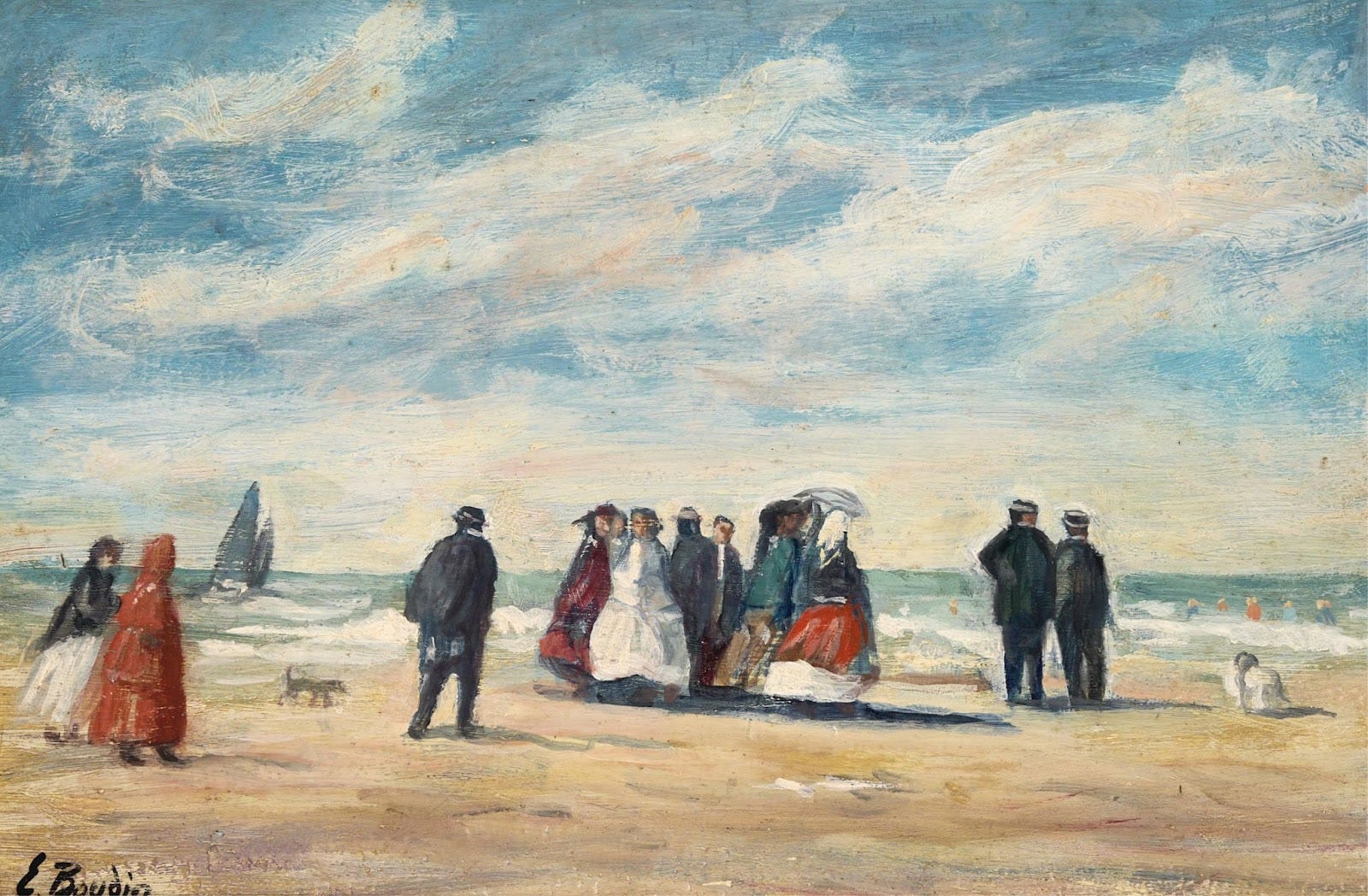
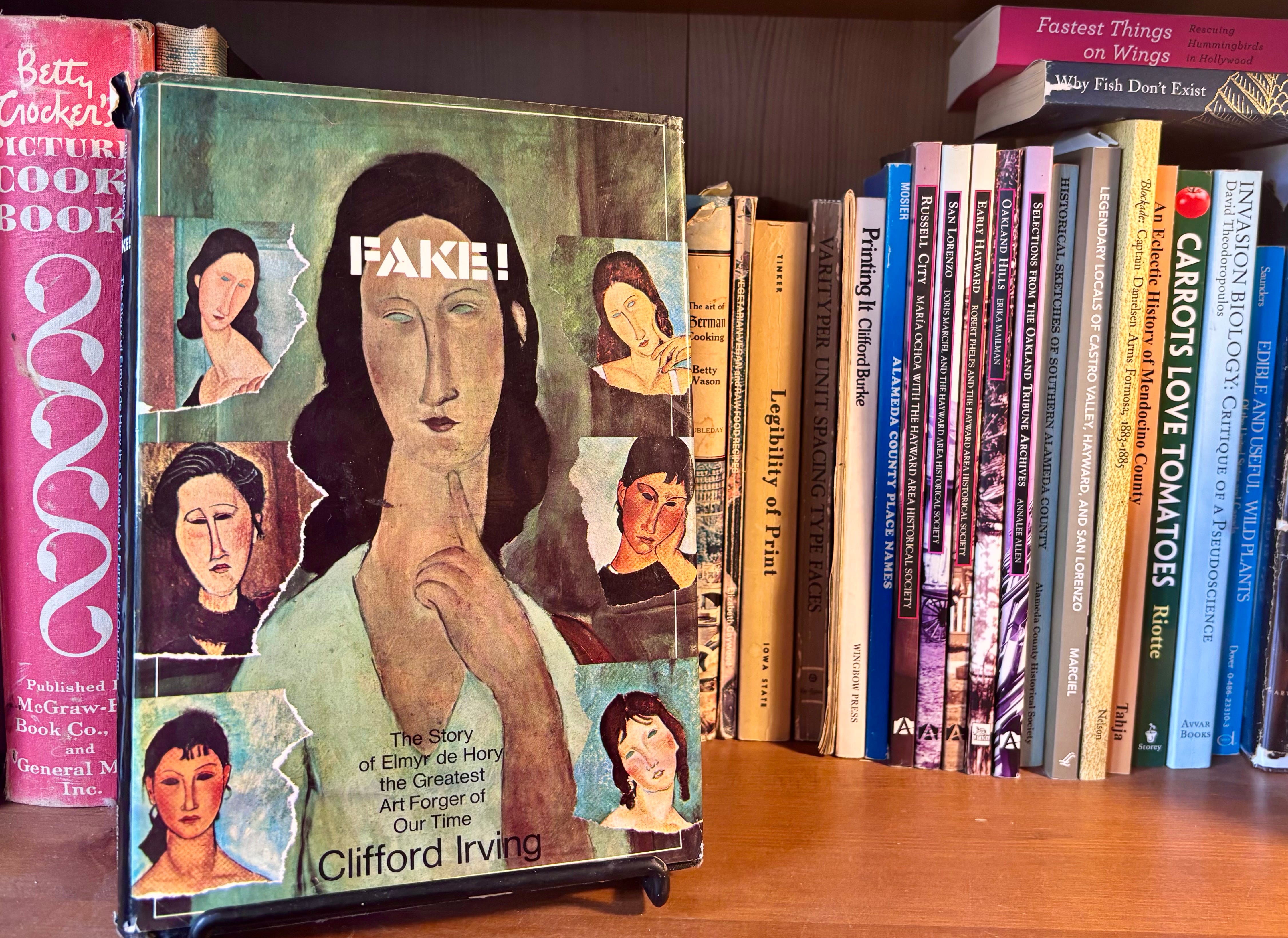
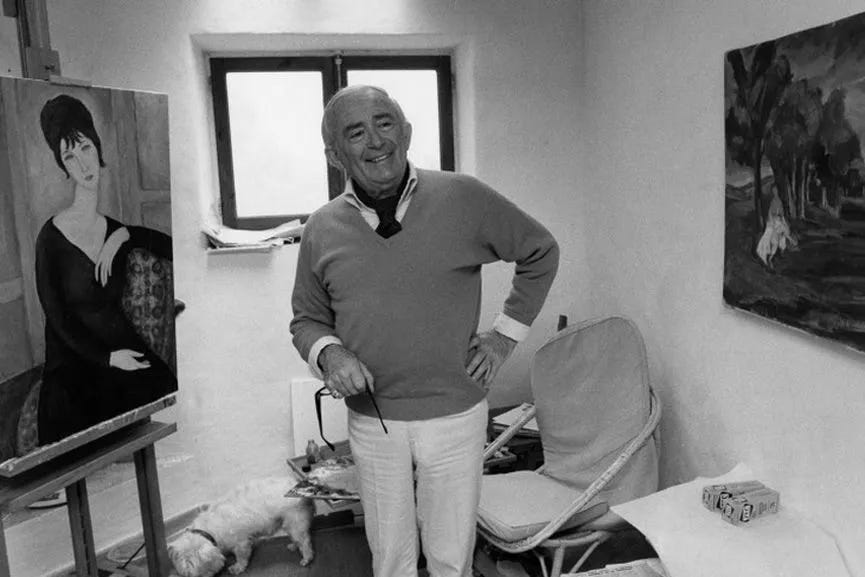
“I have noticed in this most curious world that anything is possible, and that what seems highly improbable is merely beyond the current reach of one’s imagination. Still, a native skepticism combined with respect for the laws of libel — as well as a realization that my principal informant was testifying against himself and therefore might not be entirely reliable — led me to go forth from my island home to Paris, Geneva, London and New York, in order to verify and perhaps correct what I had been told.”
— from Clifford Irving, “Fake! The Story of Elmyr de Hory, the Greatest Art Forger of Our Time.”
Misunderstanding all we see
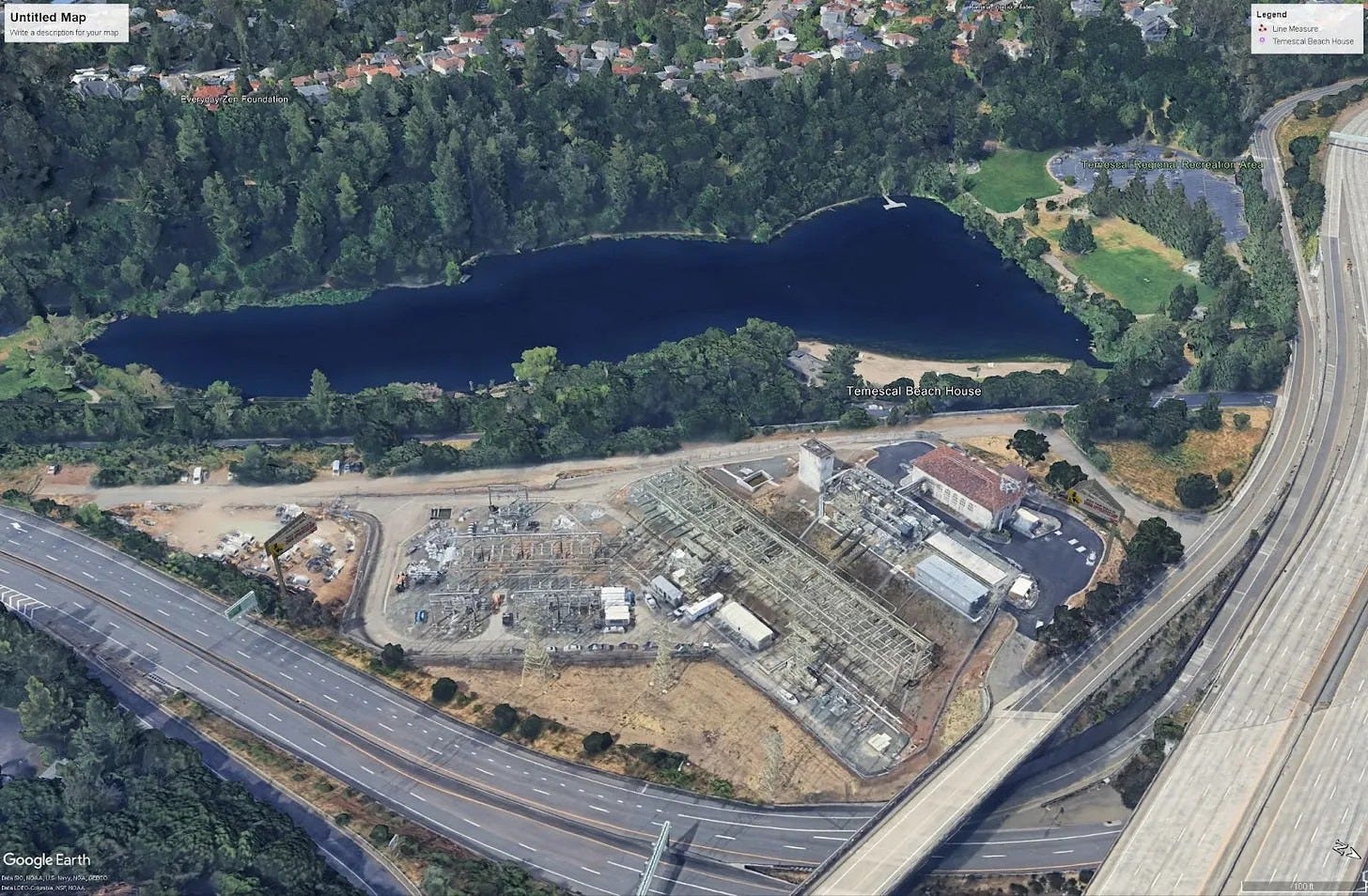
We recently ran one of our most important articles of the year, “Billboards over Lake Temescal.” This may be surprising because the billboard issue might seem minor compared to the crime, economic, and political problems we covered in 2025.
The article is important because it is a microcosm of the disinformation, manipulation and manufactured outrage that derails and disrupts seemingly every issue of importance in our town.
“Billboards over Lake Temescal” didn’t advocate for or against the billboards. Its purpose was to highlight the disinformation to which we are routinely subjected, often unknowingly. Worse than having no information is having the wrong information and believing it is real.
Disinformation is not a tool exclusive to the “left” or the “right” — it is used by individuals and entities across the political spectrum. A psychological weapon employed for centuries in propaganda, disinformation has taken many forms in modern times.
Today, disinformation has become ubiquitous — “democratized” — in social media and the mainstream media, which now routinely feed off of and recirculate disinformation from each other to drive engagement.
Core to Oakland Report’s mission is to call out disinformation — not by claiming a superhuman grip on what is truth or justice or best, but by inspecting the verifiable evidence, or the lack thereof, behind the issues and claims that impact our community. We present the arguments, and the primary evidence, so you the reader can decide.

When disinformation blends into reality
The billboard article was about a fabricated image that circulated on Nextdoor and elsewhere as part of an influence campaign to oppose billboards. The image showed towering billboards that greatly exaggerated the proposed size, facing toward the lake instead of away from the lake, and displaying alcohol and gun advertisements, which were banned in Oakland in 1997. It was framed in alarming yellow and red lettering with emotion-baiting, unsubstantiated claims of malicious conspiracy by “billionaires.”
Many residents reacted and forwarded this information with sincere concern, unaware that they were being duped by disinformation. The key here is that just enough aspects of the disinformation were true — for example, that billboards were being proposed in the vicinity of Lake Temescal — that the false aspects were accepted along with the true ones.
When disinformation blends into reality, then everything is possible and nothing is real. In art that creative blending may be fine, but in governance and public life, it is dangerous and destructive.
After we published our article, we heard from several opponents of the billboards who strongly disagreed with it. Some acknowledged the Nextdoor false image was not justified, but expressed frustration that our article labeled the official proposal’s renderings as the “real” renderings. (We did verify the to-scale presentation and orientation of the billboards in the proposal images.)
Others felt it was justified to use the grossly exaggerated Nextdoor image because it elevated awareness and opposition to the billboards.
While some may suggest that the ends justify the means, distortion of evidence is a negative-sum game. Any victory obtained through such means takes us one step closer to disorder, and one step farther from freedom.
In a democracy, the determination of what is right and just is achieved through a series of collective decisions — decisions that must weigh passionate and diverging arguments by stakeholders. That can be a long, frustrating, bumpy path. Yet those decisions will converge to better and more fair outcomes over time.
But this convergence can only happen when the population is equipped with an honest and verifiable view of reality.
See this related article:

Disinformation undermines our community
The use of a false image with emotion-baiting framing undermined the quality and credibility of legitimate debate on the merits or demerits of the billboard proposal.
The debate became ensconced in a constructed reality of angels and demons, with only the thinnest thread connecting it to actual events. The actual renderings and details of the official proposal, and the city council’s active decision-making process, were entirely lost in the wave of disinformation and manufactured outrage that ensued.
This was almost certainly the precise outcome the original image creators sought. In such disreality bubbles, sincere human concern can be manipulated to almost any end.
The false image also elicited irate public comments against the billboards and misplaced anger at council members whom commenters inferred were acting with malice and deception. It also evoked hyperbolic speculations of conspiracy and personal attacks on the author of our article.
Such unfounded insinuations and character assaults are like stun grenades thrown into public forums. Rather than encourage a reasoned debate on the merits of a given issue, these attacks suppress and disenfranchise voices of people who see things differently. The bedrock of our local democracy, as enshrined in this nation’s First Amendment, is the freedom for individuals to share their views without fear of assault.
Evidence matters
When disinformation and cheating become accepted practices, or even the preferred ones, then decisions are owned by those with the least ethics and greatest means to deceive, not by the will of the people at large.
Oakland Report was founded to dispel such disinformation, and to demonstrate that evidence is paramount to the search for truth, and democracy itself.
We believe that evidence and actions speak louder than words. It’s why we prioritize primary data so heavily—more so than quotes from advocates on one side or the other. At some level, it doesn’t matter what they say, it only matters what they do.
If you like our work, please consider donating.
We are a volunteer-run, 501(c)(3) charitable nonprofit organization based in beautiful Oakland, California. Our mission is to make truth more accessible to all Oakland residents through deep investigative reporting and evidence-based analysis of local issues.
Your donation of any amount helps us continue our work to produce articles like this one.
Thank you.
Phew, this whole thing is exhausting...I was gonna write about some of the flaws I see in the various sides of this argument, but (especially with my real name attached) that's way too (metaphorically) dangerous in Oakland.
Instead, let's celebrate great points made by all here. Note Jeff and Greg, who both appear concerned about these advertising billboards. Advertising, and the increased commodification of us by large corporations and tech oligarchs, is a problem of our time that keeps getting worse. So is the idea of making our city look like Las Vegas or Times Square. I for one am happy to see their zeal for the value that comes through from their writing: making Oakland beautiful and limiting the negative externalities of decisions like implementing billboards.
On the other hand, Rajni and Oakland Report ask a question we should all be asking ourselves: how do we talk about thorny issues like
- "what should our city's public space look like?" and
- "how should we balance the tradeoff between business interests [a significant section of our tax base] and competing community interests [like aesthetics] in our civic discourse?"
in an environment that, due to social media, is algorithmically destined to become a flamewar and chock full of at best misleading and at worst outright fake imagery and claims? (God help us all when AI slop no longer is so easy to differentiate from real images!)
So as we say goodbye to 2025, let's say goodbye to some of this animosity and instead find gratitude for our opponents. Gently, we correct their excesses; loudly we praise their values (even if we have to re-frame those values a bit!). I'm grateful for you all.
I do agree that actions reveal truth more reliably than rhetoric. I do like how you emphasizes shared responsibility, implying that communities can build resilience without waiting for institutional reform from above. We have seen those in Finland and Taiwan recently.
I also agree deeply that observable behaviour should be a "truth metric" for both journalism and civic education. How that works? I... don't know.
Am I allowed to do a shameless plug? I am going to do a shameless plug! Hi, my name is Phil I "try" to write some sense regarding the world that is disinformation and our relationship to information.
https://thedisinformationobserver.substack.com/