


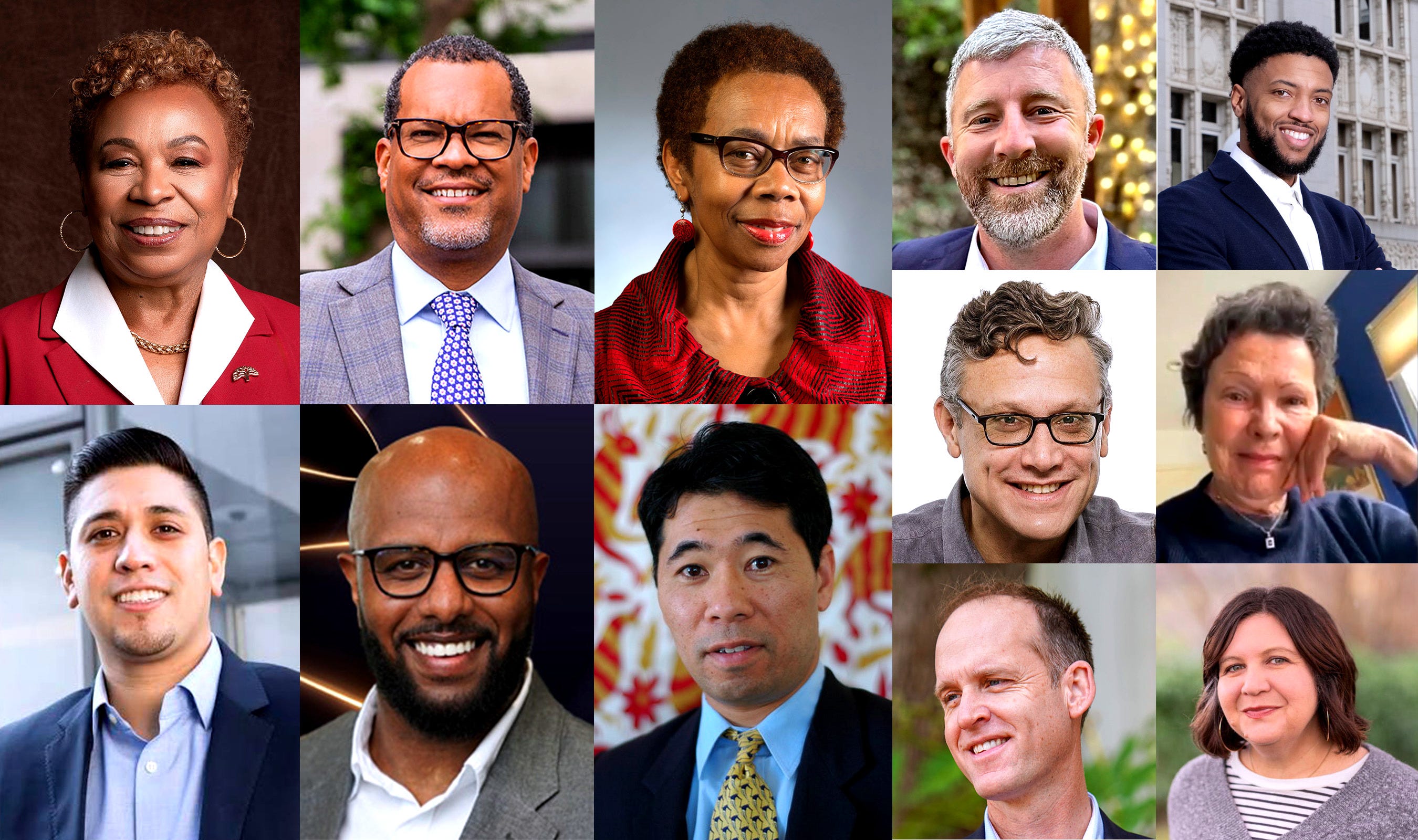
Oakland Report is taking a closer look at the people behind the government decision-making that affects Oaklanders’ lives. In this installment, we look at the eight members of Mayor Barbara Lee’s “charter reform working group” — the body whose recommendations became the “strong-mayor” measure that could be headed for the November ballot. We also look at three key facilitators of the working group’s effort.
When mayor Barbara Lee’s charter reform working group concluded that Oakland’s mayor should have far more power, the recommendation arrived from a panel that was hand-picked by the mayor and deliberated in private.12
According to a letter from the working group’s key representatives — many of whom have long-standing ties to the mayor — Barbara Lee set the working group’s goals and then “stepped back” from direct engagement in the group’s work:
“Mayor Lee … convened the Working Group, set the initial goals, and then stepped back.”
— Mayor’s Charter Reform Working Group, letter to the City Council3
It is reasonable to consider the possibility that “stepping back” after hand-picking a working group composed mostly of the mayor’s political supporters, then essentially writing the questions they were to ask or avoid, isn’t the same as neutrality.
It also stands to reason to consider that the person who would gain most from a strong-mayor government is the person who defined what the working group was allowed to study — the mayor.
A review of the eight working group members’ public records — and of three key facilitators of the working group’s efforts — shows that nearly all of the mayor’s working group members have personal and political ties to Lee through transition-team service, political endorsements, shared funders, and overlapping city hall careers.
The transition-team insiders: Fred Blackwell, Barbara Parker, and Ben Rosenfield
Three of the eight working group members helped staff Barbara Lee’s arrival in the mayor’s office.
When Lee announced her transition team in spring 2025, it included San Francisco Foundation CEO Fred Blackwell.
Former Oakland city attorney Barbara Parker and former San Francisco controller Ben Rosenfield served as Lee’s advisers.4
All three then reappeared on the mayor’s working group to help shape her desired signature governance overhaul.
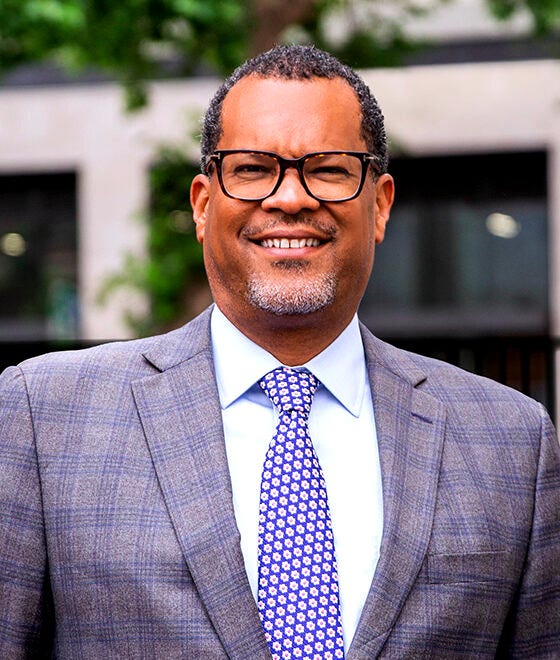
Fred Blackwell is an Oakland native whose government résumé includes serving as interim city administrator and assistant city administrator for the city of Oakland.
Blackwell personally endorsed Lee’s campaign for mayor.

Barbara Parker was the Oakland city attorney from 2011 to 2024.
Parker appears not to have formally endorsed Lee’s mayoral campaign; however, she served as an advisor to Lee’s mayoral transition team.

Ben Rosenfield brought public finance credentials to the effort, having spent 16 years as San Francisco’s city controller.
Rosenfield personally endorsed Barbara Lee’s mayoral campaign.
The funder: how the San Francisco Foundation helped pay for the working group process
Blackwell’s connection runs deeper than a shared résumé. The working group’s costs appear to have been underwritten in part by the San Francisco Foundation he leads.
According to city records and news reports, mayor Barbara Lee solicited a $50,000 payment from the San Francisco Foundation — whose CEO sat on the working group — to San Francisco Bay Area Urban Planners Association (SPUR) in November.5
SPUR was one of the two organizations Lee engaged to co-facilitate the group, alongside the League of Women Voters of Oakland.
In effect, the mayor asked a key working group member’s foundation to help pay for the working group’s own facilitation.
The labor bloc: SEIU 1021’s Zach Goldman and AFSCME’s Richard Fuentes

Zach Goldman is described on the mayor’s website as a policy advocate and labor leader who serves as a staff director of Service Employees International Union (SEIU) Local 1021 — the public-sector union representing some 60,000 workers, including the city of Oakland’s largest public employee union.
SEIU 1021 was among Lee’s earliest and most aggressive political backers.
The union endorsed her for mayor, and after her victory it claimed that its members deserved “a great deal of the credit” for the win, having been behind her campaign “every step of the way.”67
Goldman also personally endorsed Lee’s campaign for Oakland mayor.
Seating that union’s staff director on the mayor’s working group placed one of Lee’s most consequential political allies at the drafting table.
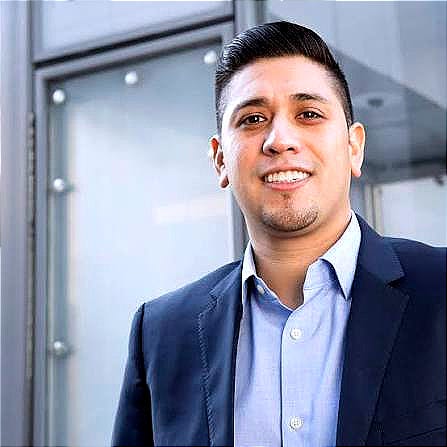
A second labor connection runs through Richard Fuentes, who has worked in Bay Area Rapid Transit’s (BART’s) budget and performance office, and serves on the board of American Federation of State, County and Municipal Employees (AFSCME) Local 3993.
AFSCME’s regional council and Fuentes personally were among Lee’s campaign endorsers.8
Fuentes additionally worked in the past for former Oakland council member Ignacio De La Fuente, tying him to an old guard of Oakland politics.
The business establishment: Block's Ahmed Ali Bob and the Chamber's OakPAC
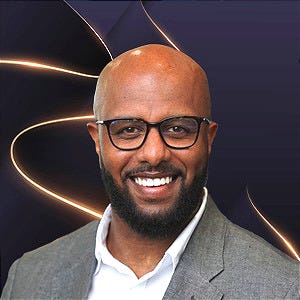
Ahmed Ali Bob leads social impact work at Block, Inc., and has served on the board of the Oakland Metropolitan Chamber of Commerce.
When the mayor's office announced the working group in 2025, Ali Bob had been recently selected as the Chamber's board chair.
Mayor-elect Barbara Lee swore Ali Bob in as Chamber board chair.9
(The Chamber's website currently lists Angela Tsay of local retail chain Oaklandish as board chair, and Block, Inc. among its corporate members.)10
The Chamber's affiliated political arm, OakPAC, was among the organizations that endorsed Lee for mayor.
Ali Bob also personally endorsed Lee’s campaign.
The city hall legal alumni: Mark Morodomi and Barbara Parker
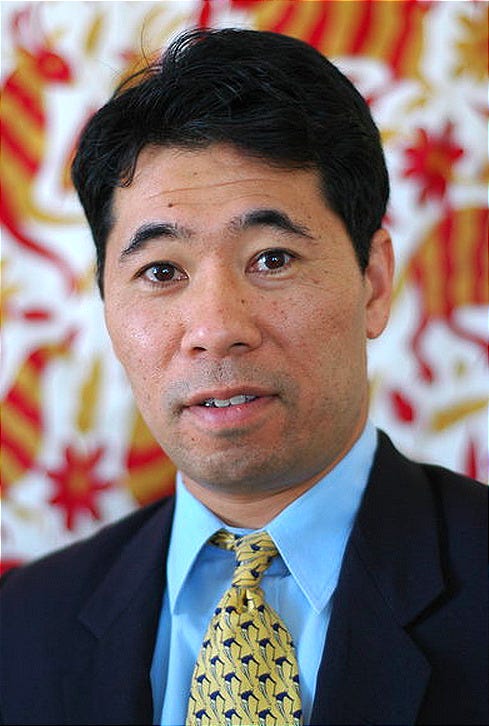
Two of the mayor’s working group members are products of the Oakland city hall legal apparatus.
Barbara Parker led the Oakland city attorney’s office for more than a decade, and Mark Morodomi is a former supervising deputy city attorney from that same office.
Morodami later served as counsel to the Oakland public ethics commission and the city auditor.
There is no record of Morodomi endorsing Lee’s campaign for mayor.
Morodomi and Parker are former colleagues from the Oakland city attorney’s office Parker ran, giving the mayor’s working group two voices steeped in the existing charter structure they were asked to revise.
The academic expert: Corey Cook
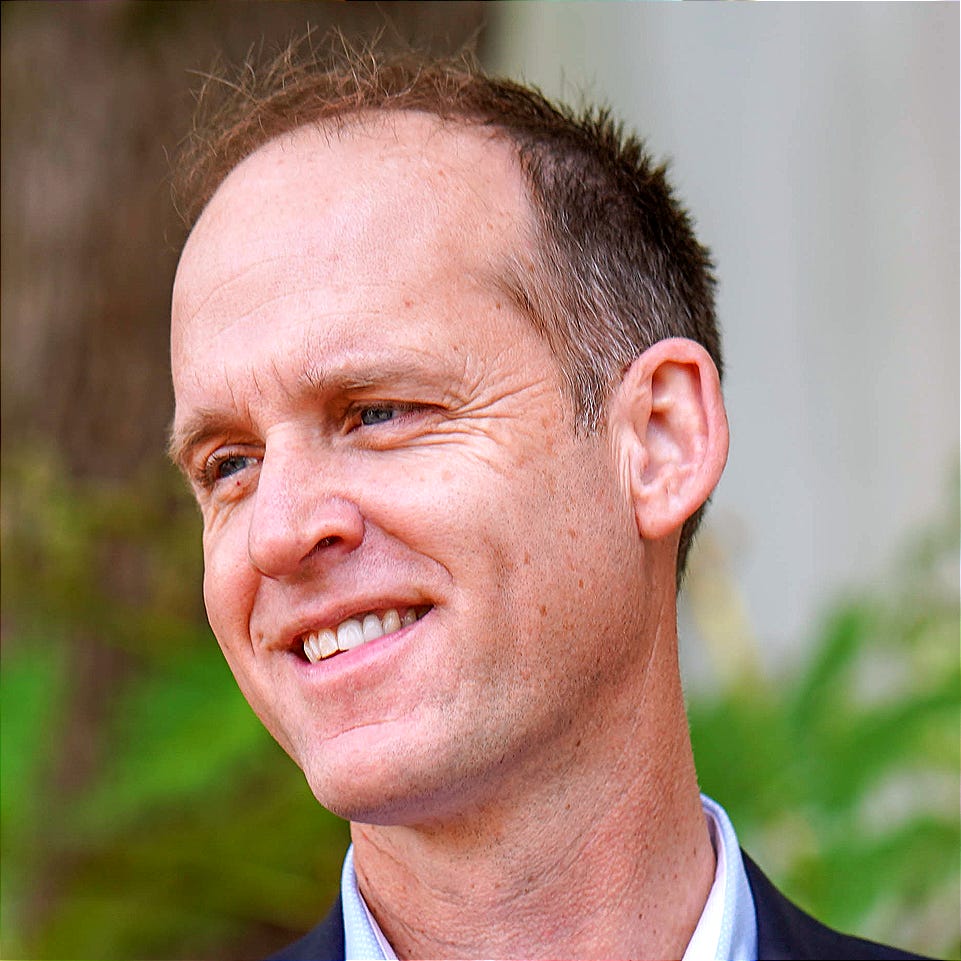
Corey Cook is vice president and CEO of California State Polytechnic University’s Solano campus and a former Saint Mary’s College political scientist. He appears to serve as the group’s academic governance authority.
Cook is the working group member with the least visible prior political or personal relationship to Lee in the public record; there is no record of Cook endorsing Lee’s mayoral campaign.
However, Cook has emerged as one of the most ardent public advocates for the working group’s recommendations, speaking in defense of the working group’s recommendations at city council, and quoted in local media calling Oakland’s current governance system a “magical unicorn hybrid” replicated nowhere else.11
The political liaison: Oakland council president Kevin Jenkins
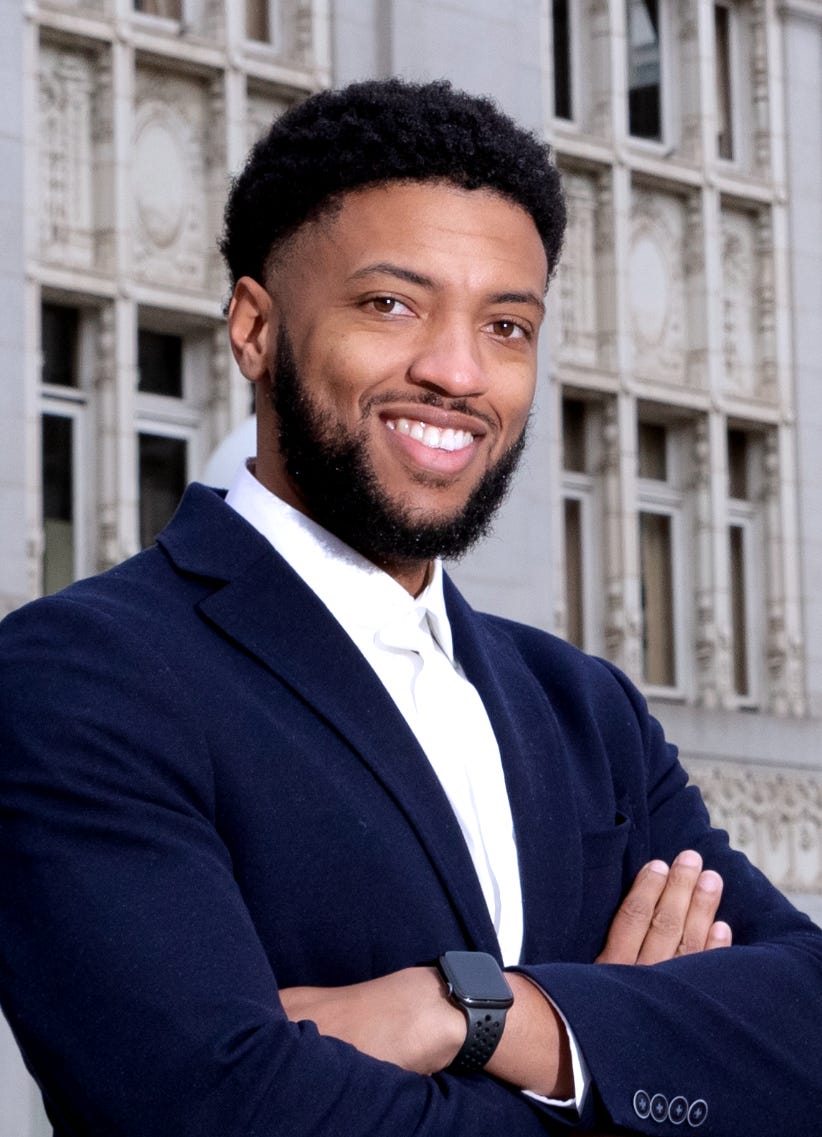
The working group was not overseen by mayor Lee alone.
Lee convened the group in partnership with Oakland council president Kevin Jenkins, who co-oversaw the effort and later co-sponsored the resulting ballot measure.12
As interim Oakland mayor, Jenkins endorsed Lee’s campaign for Oakland mayor.
As Oakland Report has reported, the working group’s recommendations also include potentially substantial pay increases for city council members.13
The two elected city officials whose authority and compensation the charter reform measure aims to increase helped direct the working group that recommended it.
The facilitator: SPUR’s Nicole Neditch
The working group’s public process was run by two co-facilitators — Nicole Neditch of SPUR and Gail Wallace of the League of Women Voters of Oakland.
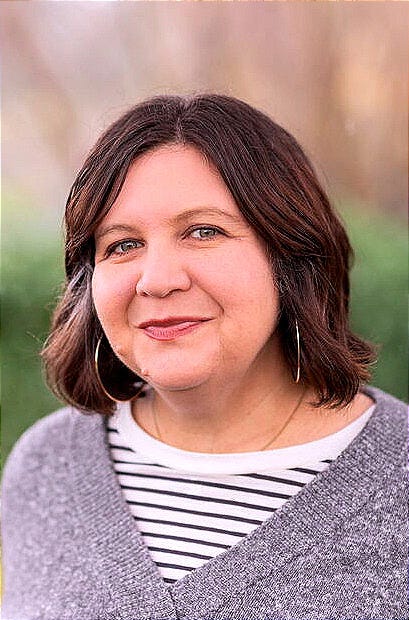
Neditch, a policy director at SPUR, organized and guided the dozen “Talk of the Town” community meetings whose input was synthesized into the group’s recommendations.
Facilitators have real influence over such processes — they guide which questions are asked and which comments are gathered, framed, and carried forward.
SPUR, as an organization was not an entirely neutral convener. SPUR had declared itself enthusiastic about charter reform “to clarify the role of the mayor” and tighten lines of authority and accountability — a direction the working group ultimately recommended.14
Neditch herself has authored SPUR work on governance restructuring and Oakland’s budget.
There is no record of Neditch endorsing Lee’s mayoral campaign.
SPUR is also the organization for which Lee requested the $50,000 from Blackwell’s San Francisco Foundation — the organization that co-facilitated the mayor’s working group process appeared to be both philosophically pre-committed to the outcome and appears to have been a beneficiary of the mayor’s fundraising.
The other facilitator: the League’s Gail Wallace
The working group’s second co-facilitator, Gail Wallace, is a board member of the League of Women Voters of Oakland.
In several respects, Wallace is the closest thing to a neutral actor in the process. The League is nonpartisan and, by its own account, has historically taken no position on Oakland’s governance structure.
Notably, the League opposed Oakland Measure E, the parcel tax mayor Lee strongly supported and advocated for. (Voters rejected the measure.)
There is no record of Wallace endorsing Lee’s mayoral campaign.
Wallace has said the League’s interest lies in the process — transparent outreach and broad public participation — rather than in any particular outcome, and she has stressed that any ballot measure be clear and coherent.
Two facts complicate that neutrality, however.
First, the League’s involvement was Lee’s design from the outset: the fifth point of Lee’s 100-day plan called for a charter task force including the League of Women Voters, ethics, and good-government experts.15
Second, when the recommendations reached the City Council, Wallace did not appear as a detached convener.
Speaking as a facilitator of the mayor’s task force, Wallace told council members that residents wanted someone to “lead decisively” and described the strong-mayor plan as creating a balance between executive and legislative branches16 — advocacy that appeared less like neutral process facilitation than like a case for the outcome the group reached.
Read this related article:
Oakland’s charter reform process: the questions it was built not to ask

Mayor Barbara Lee’s charter reform ‘working group’ was hand-picked to diagnose Oakland’s dysfunction. But the group was set up to rule out the reforms voters really want, and it held its deliberations in private.
A consistent pattern
Taken together, the pattern is consistent: a working group assembled largely from Lee’s transition advisers, her campaign’s institutional backers, a funder of its own process, and veterans of the legal offices that administer the current charter.
None of these ties is necessarily disqualifying, and several members bring genuine subject-matter expertise.
But their ties to mayor Barbara Lee — and the manner in which the group was assembled and then deliberated in private — may help explain why critics have questioned whether a group so closely connected to the mayor was positioned to deliver an independent recommendation on the central question it was asked to answer: whether the mayor should have more power.
Donate to Oakland Report. We are a 501(c)(3) nonprofit organization. Your contribution in any amount helps us to continue to produce accurate, well-researched, unflinching articles like this one.
Montana, Alex. “Oakland’s charter reform process: the questions it was built not to ask.” Oakland Report, Jun. 2, 2026. https://www.oaklandreport.org/p/oaklands-charter-reform-process
Lee, Barbara. “Charter reform modernization — members of the working group.” Office of Mayor Barbara Lee website, accessed Jun. 16, 2026. https://www.mayorbarbaralee.com/charter-reform
Blackwell, Fred et al. “Referral of charter reform to the ballot.” Mayor’s charter reform working group letter to Oakland City Council, Apr. 9, 2026. https://oakland.legistar.com/View.ashx?M=F&ID=15447768&GUID=2B37BA2C-B394-4242-9FD1-E30FE2104DAE
Bay City News contributors. “Incoming Oakland Mayor Barbara Lee announces transition team.” KRON4, May 2, 2025. https://www.kron4.com/news/bay-area/incoming-oakland-mayor-barbara-lee-announces-transition-team/
Orenstein, Natalie. “Oakland should become a ‘strong mayor’ city, says Mayor Lee’s task force.” The Oaklandside, Jan. 30, 2026. https://oaklandside.org/2026/01/30/oakland-strong-mayor-charter-reform-barbara-lee/
SEIU contributors. “SEIU 1021 endorses Congresswoman Barbara Lee for Oakland mayor.” SEIU Local 1021, Jan. 17, 2025. https://www.seiu1021.org/article/seiu-1021-endorses-congresswoman-barbara-lee-oakland-mayor
SEIU contributors. “Barbara Lee will be Oakland’s next mayor!” SEIU Local 1021, Apr. 21, 2025. https://www.seiu1021.org/article/barbara-lee-will-be-oaklands-next-mayor
Lee, Barbara. “Endorsements.” Barbara Lee for Oakland Mayor, 2025. https://barbaralee4oakland.com/endorsements
Oakland Metropolitan Chamber of Commerce. “The Oakland Metro Chamber of Commerce welcomes our new chairman of the board Ahmed Ali Bob, director of social impact, Block.” Oakland Metropolitan Chamber of Commerce, April 2025. https://www.instagram.com/p/DJHmMN_vEwb/
Oakland Metropolitan Chamber of Commerce. “Board.” Oakland Metropolitan Chamber of Commerce website, accessed June 16, 2026. https://www.oaklandchamber.com/board/; Archived webpage, listing Ahmed Ali Bob as “first vice chair,” May 24, 2025: https://web.archive.org/web/20250524084449/https://www.oaklandchamber.com/board/
Rosenthal, Ara. “Should the mayor and council have more power? Oaklanders can weigh in on charter changes.” Oakland North, Dec. 10, 2025. https://oaklandnorth.net/2025/12/10/should-the-mayor-and-council-have-more-power-oaklanders-can-weigh-in-on-charter-changes-two-sessions-remain/
Orenstein, Natalie. “Mayor Lee group will explore charter reform in Oakland.” The Oaklandside, Aug. 11, 2025. https://oaklandside.org/2025/08/11/oakland-charter-reform-barbara-lee-group/
Montana, Alex. “Oakland city council pay raises: the charter reform provision no one is discussing.” Oakland Report, Jun. 15, 2026. https://www.oaklandreport.org/p/city-council-pay-raises-charter-reform
Orenstein, Natalie. “They say Oakland government is broken — and have a plan to fix it.” The Oaklandside, Apr. 28, 2025. https://oaklandside.org/2025/04/28/oakland-charter-reform-strong-mayor-city-manager/
Lee, Barbara. “100 days of action.” Office of Mayor Barbara Lee website, accessed Jun. 16, 2026. https://www.mayorbarbaralee.com/100-days
Orenstein, Natalie. “’Strong mayor’ for Oakland? City Council gets its first look — and some aren’t sold.” The Oaklandside, Mar. 27, 2026. https://oaklandside.org/2026/03/27/strong-mayor-for-oakland-city-council-gets-its-first-look-and-some-arent-sold/
Justin -- Thank you for your comment. The article simply lays out the connections, and does not state that anything nefarious is happening.
As Oakland Report reported on June 2, the mayor's decision to use a hand-selected "working group" instead of a more formal advisory body (which would be subject to open-meeting laws) is worthy of scrutiny. Here's a relevant excerpt from our June 2 article:
"The mayor’s decision to appoint a ‘working group’ instead of an official city advisory body was a critical component of the overall process — one that almost inevitably would lead to a recommendation favored by and largely benefiting the mayor.
"Most public bodies in California are required by law to conduct their business in the open. The state’s open-meetings government ‘sunshine’ law — the Ralph M. Brown Act — forces city councils, their committees, and advisory bodies to post agendas in advance, let the public watch them deliberate, post official minutes of proceedings, and keep no decisions hidden.
"But the law has a well-known gap. It generally does not cover a body that a single official creates on their own, as opposed to one a city council establishes by formal vote.
"The mayor’s political charter reform ‘working group’ exploited that gap. Mayor Lee convened it herself, as part of her 100-day plan; the city council never created it by resolution, and the council neither appointed nor confirmed a single member."
https://www.oaklandreport.org/p/oaklands-charter-reform-process
Thank you again for your comment; the discussion is appreciated.
how "progressive."